Orthokeratology
Comprehensive Eye Care
Monday-Thursday 9:00 AM–5:00PM
Friday 9:00 AM–4:00PM
Closed Saturday-Sunday
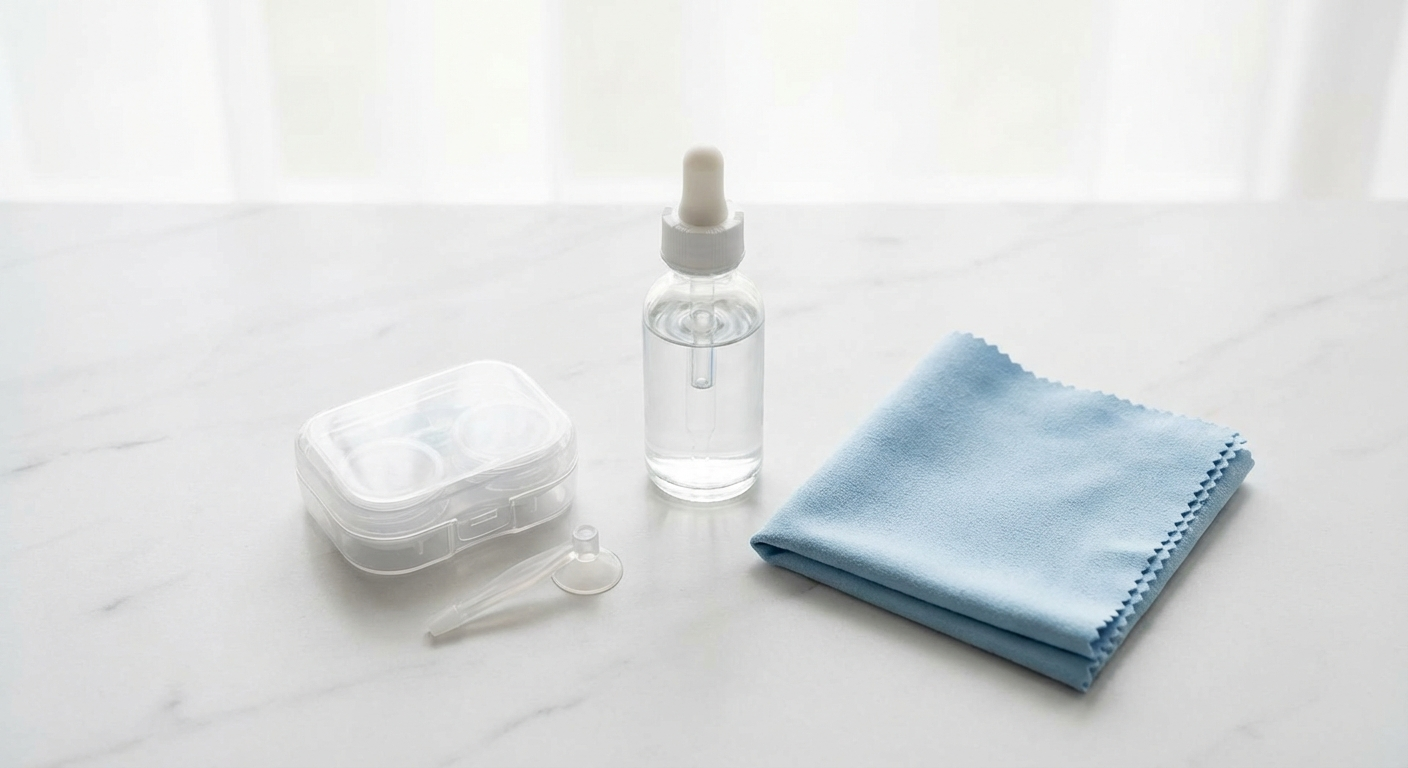
Imagine correcting your vision while you sleep, with no surgery and no daytime contacts. That is one potential benefit of orthokeratology — an FDA-approved option in which specially designed lenses are worn overnight to temporarily reshape the cornea. Used by some children and adults for myopia management and to reduce dependence on daytime correction, ortho-k is becoming more commonly offered in parts of South Florida. Here is everything you need to know.
Key Takeaways
What Does Orthokeratology Mean?
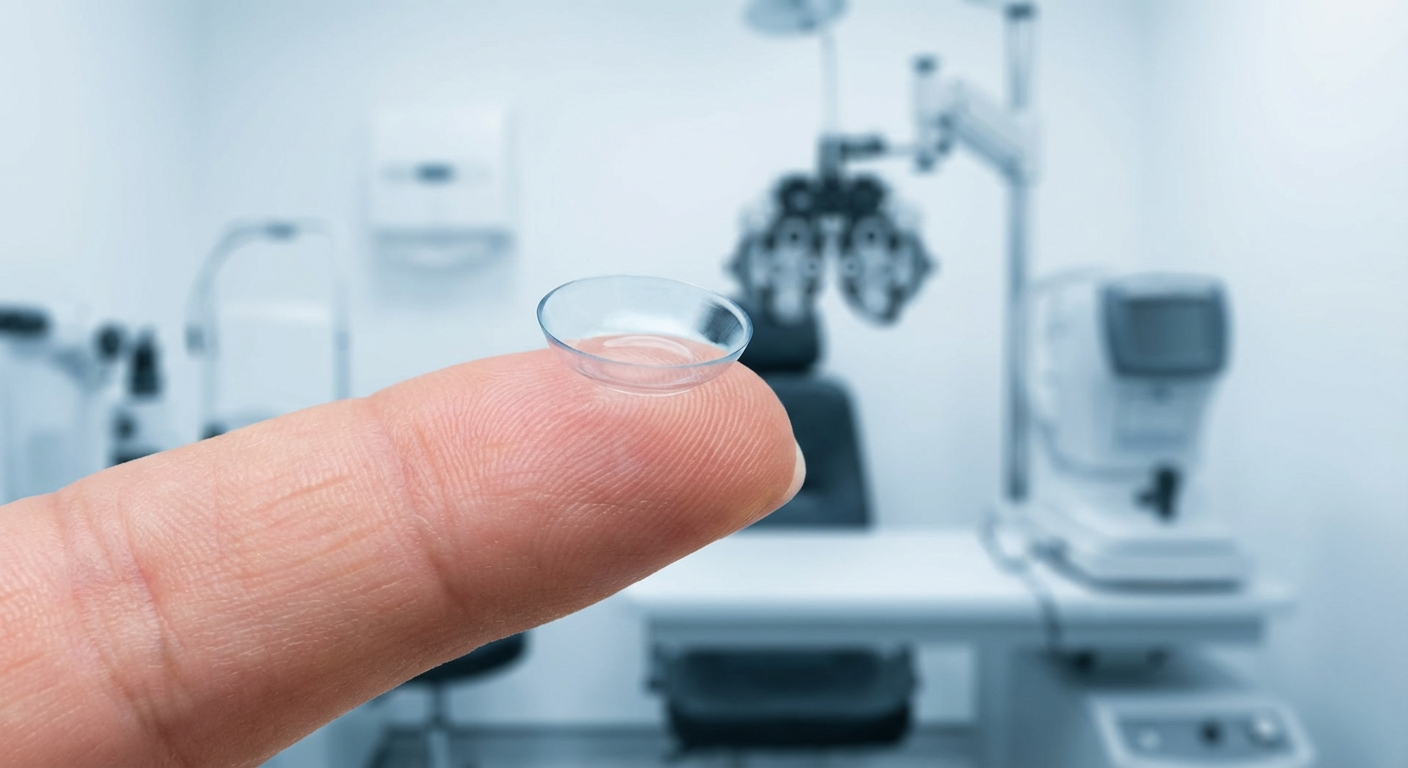
The term breaks down simply: ortho means straight, kerato refers to the cornea, and ology means the study or practice of treatment. Commonly called ortho-k, this technique involves wearing rigid gas-permeable lenses overnight that gently flatten the central cornea to correct how light enters the eye. Think of it like dental braces for your eyes. Just as braces gradually shift teeth into alignment, ortho-k lenses reshape the corneal surface to correct refractive errors like nearsightedness. The American Academy of Ophthalmology recognizes ortho-k as a viable non-surgical vision correction method.
What Is Orthokeratology Used For?
The primary application is correcting myopia (nearsightedness), which affects over 150 million Americans according to the National Eye Institute. Ortho-k also addresses mild hyperopia and mild astigmatism. One of its most significant use cases is myopia management in children, where it may help slow the progression of nearsightedness during critical developmental years. For adults in the Coral Springs and Tamarac area who want freedom from glasses but are not candidates for LASIK, or who simply prefer a non-surgical alternative, orthokeratology offers a compelling option.
How Orthokeratology Lenses Work
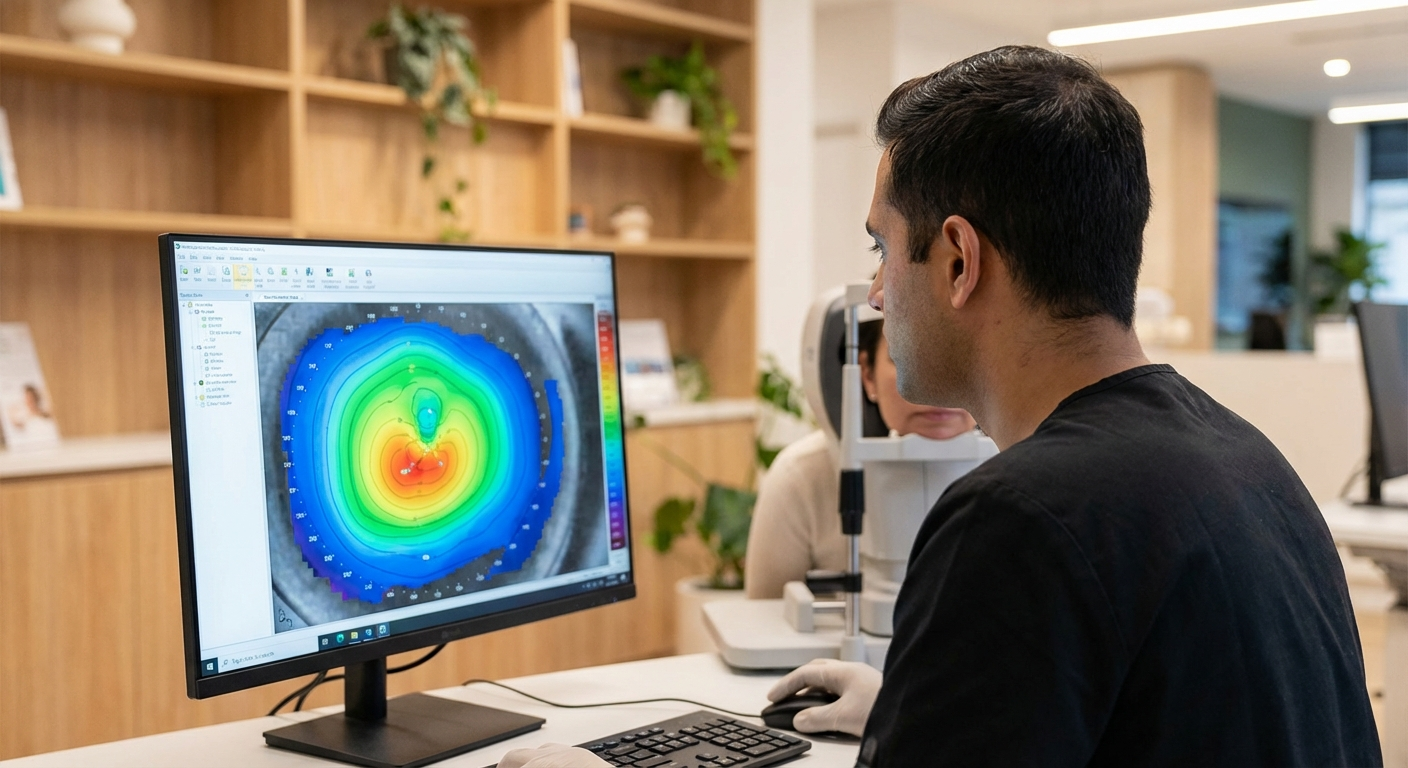
The process begins with a comprehensive eye exam that includes corneal topography, a detailed mapping of the eye’s surface. Your eye care provider uses this data to design custom lenses tailored to your unique corneal shape. You insert the lenses before bed, and while you sleep, they apply gentle, targeted pressure that flattens the central cornea. This changes how light refracts onto the retina, producing clearer vision.
By morning, you remove the lenses and enjoy clear, corrected vision throughout the day. The reshaping effect typically lasts one to two days, which is why consistent nightly wear is necessary. Follow-up appointments are scheduled to monitor corneal health, adjust the fit, and ensure optimal results over time.
What Are Orthokeratology Lenses Made Of?
Ortho-k lenses are crafted from rigid gas-permeable (GP) materials that differ significantly from standard soft contact lenses. The key factor is a high Dk value, which measures oxygen permeability. Because these lenses are worn during sleep when the eyelids are closed, high oxygen transmission is critical for maintaining corneal health. Each lens is custom-manufactured based on the patient’s corneal topography, ensuring a precise fit that delivers consistent, safe corneal reshaping.
Is Orthokeratology FDA Approved?
Yes. The FDA has approved ortho-k lenses for overnight corneal reshaping to correct myopia. Specific brands like Paragon CRT and Euclid have received FDA clearance, meaning they have demonstrated safety and effectiveness through clinical evaluation. This approval gives patients in South Florida and nationwide confidence that orthokeratology meets rigorous federal standards for medical devices. Your optometrist can discuss which FDA-cleared lens design is most appropriate for your prescription.
Is Orthokeratology Effective?
Clinical studies suggest that ortho-k may help reduce myopia progression by 50 to 90 percent in children, making it one of the most promising tools in pediatric myopia management. Most patients achieve 20/40 vision or better during daytime activities, with many reaching 20/20. Effectiveness depends on prescription severity; ortho-k works best for mild to moderate myopia, generally up to -6.00 diopters. Patients with higher prescriptions may still benefit but should discuss realistic expectations during their consultation.
Does Orthokeratology Work for Astigmatism?
Ortho-k can correct mild astigmatism up to approximately -1.75 diopters. Toric ortho-k lens designs are available that address both myopia and astigmatism simultaneously. However, the technology is less effective for high or irregular astigmatism. A qualified orthokeratologist can assess your specific corneal shape through topography mapping and determine whether ortho-k lenses will deliver meaningful correction for your level of astigmatism.
Orthokeratology Lenses Side Effects
Most patients experience mild discomfort during the first one to two weeks as their eyes adapt to the lenses. Common side effects include lens awareness, halos or glare around lights at night, and occasional dryness. These typically resolve as the eyes adjust.
The most serious potential risk is microbial keratitis, a corneal infection that can occur if lenses are not properly cleaned and stored. This risk is low when patients follow proper hygiene protocols, including washing hands before handling lenses, using recommended disinfecting solutions, and replacing lenses on schedule. Importantly, all effects of ortho-k are fully reversible if you discontinue lens wear.
Is Orthokeratology Permanent?
No, and that is actually one of its greatest safety advantages. The cornea gradually returns to its original shape within days to weeks of stopping lens wear. Unlike surgical procedures such as LASIK, ortho-k carries no risk of permanent structural changes to the eye. This reversibility makes it an especially appealing choice for children and for adults who want to keep their options open. Consistent nightly wear is the tradeoff for maintaining clear daytime vision.
Your Next Step Toward Clearer Vision
Orthokeratology represents a safe, effective, and non-surgical path to vision correction for patients of all ages. Whether you are exploring myopia management for your child or seeking freedom from daytime glasses and contacts, ortho-k deserves serious consideration. At West Broward Eye Care Associates, serving the Tamarac and Coral Springs communities for over 35 years, our team brings deep specialty lens expertise to every ortho-k fitting. Schedule your eye exam today to find out if orthokeratology is right for you.
Individual results may vary. Please schedule a comprehensive eye exam for personalized recommendations. By relying on this information you acknowledge it is not a guarantee of outcomes.
Frequently Asked Questions
FAQs
-
Most patients notice improved vision after the first night of wear, but optimal results typically develop over one to two weeks of consistent use. Your eye care provider will monitor progress through follow-up visits during this initial period.