
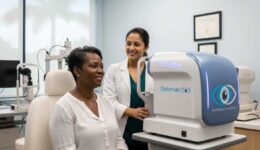
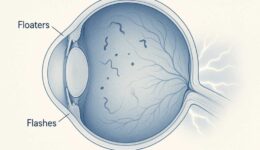
Sudden Floaters & Flashes? Get Emergency Eye Care | Tamarac
Sudden eye floaters and flashes can be harmless signs of aging, but they often signal a medical emergency like a retinal tear or detachment. If you are experiencing a “shower” of new specks or a dark curtain over your vision, you require an eye examination within 24 hours to prevent permanent vision loss. [Request a Same-Day Emergency Appointment] What Are Floaters? More Than Just Annoying Specks Eye floaters appear as small shapes moving through your field of vision. They might look like tiny dots, squiggly lines, threadlike strands, cobwebs, or even ring-shaped shadows. The medical term for floaters is “myodesopsia,” […]

Keratoconus Guide 2026: Symptoms, Causes & Treatment
Keratoconus is a progressive eye disorder where the cornea thins and bulges into a cone-like shape, affecting approximately 1 in 345 people as of 2025. At West Broward Eyecare Associates, we specialize in advanced diagnostic technology and modern treatments like Corneal Collagen Cross-Linking (CXL) and Scleral Lenses to halt progression and preserve your vision. What is Keratoconus? The Basics Every Patient Should Know Keratoconus is a progressive bilateral corneal ectatic disorder characterized by cone-like steepening of the cornea, the clear front surface of your eye. EyeWikiNCBI Think of your cornea as the clear window at the front of your eye—normally […]
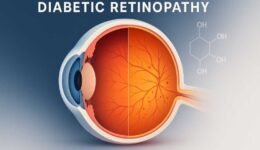
Diabetic Retinopathy Explained: Save Your Sight Today
Diabetic retinopathy is a preventable eye condition caused by high blood sugar damaging retinal capillaries, but you can reduce your risk by up to 76% through proactive management of glucose, blood pressure, and cholesterol. This 2025 guide details the latest FDA-approved treatments and provides a step-by-step roadmap to preserve your vision and catch early warning signs before they cause permanent damage. Concerned about your vision? Schedule your 2025 Comprehensive Dilated Eye Exam today. Key Takeaways Diabetic retinopathy is preventable: Managing blood sugar, blood pressure, and cholesterol levels can reduce your risk by up to 76% Early detection saves vision: Regular […]
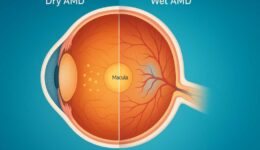
Wet vs Dry AMD: Types, Symptoms & Treatment Guide
The primary difference between dry AMD (90% of cases) and wet AMD is the speed of vision loss and the presence of leaking blood vessels. While dry AMD progresses gradually through drusen buildup, wet AMD is an aggressive form requiring immediate anti-VEGF therapy. This 2025 guide details the latest FDA-approved treatments, including new non-invasive light therapies and 2024 study results showing how specific nutrients slow vision loss by 55%. 📈 Concerned about vision changes? Schedule a Comprehensive AMD Screening in Tamarac. Understanding Macular Degeneration: Wet vs. Dry AMD and Modern Treatment Approaches Age-related macular degeneration represents one of the most […]
Glaucoma Detection & Screening | Save Your Vision Tamarac
Glaucoma screening in Tamarac is the only definitive way to detect the “silent thief of sight” before irreversible vision loss occurs. While glaucoma affects over 4.22 million Americans, early detection at West Broward Eyecare Associates ensures that most patients preserve their vision for life. Our Tamarac office utilizes advanced OCT imaging and AI-enhanced diagnostics to identify structural changes years before symptoms appear. Understanding Glaucoma: The Silent Vision Thief Glaucoma screening is your first line of defense against permanent vision loss. Imagine losing your ability to see your grandchildren’s faces, read your favorite books, or drive safely—all without any warning signs. […]
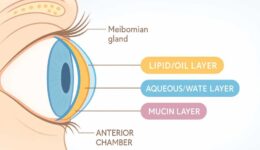
Dry Eye Disease vs Syndrome: Causes & Treatment Guide
Dry eye disease and dry eye syndrome are exactly the same condition. While the names are interchangeable, the medical community now favors “disease” to reflect its chronic nature. This guide breaks down the 82.5% of cases caused by oil gland dysfunction and compares 2025 advanced treatments—from Tyrvaya nasal sprays to LipiFlow—to help you find a personalized path to relief. What’s in a Name? Understanding the Terminology Common Question: Is there a difference between dry eye disease and dry eye syndrome? Answer: No. If you’ve been researching your eye symptoms, you’ve probably encountered both “dry eye disease” and “dry eye syndrome.” […]

Young Athletes: Boost Performance with Sports Vision
Can targeted vision training actually improve your child’s athletic performance by 20-30%? While 20/20 eyesight is the baseline, elite sports success depends on dynamic visual skills like depth perception and rapid tracking—the same skills that prevent 90% of sports-related eye injuries. This guide breaks down the science of sports vision training and the essential protective gear needed to keep young athletes safe and competitive. Is your child’s vision holding them back? Schedule a Sports Vision Assessment in Tamarac. Understanding Sports Vision: More Than Just 20/20 Eyesight What Is Sports Vision? Sports vision is a specialty aimed at improving the performance […]

Can Eye Problems Cause Learning Difficulties in Children?
Many children mislabeled with ADHD or learning disabilities actually suffer from treatable functional vision problems like Convergence Insufficiency. While standard school screenings often miss these issues, a comprehensive functional vision evaluation can identify the root cause of academic struggle and provide a clear path to improvement through specialized therapy. [Schedule a Comprehensive Functional Vision Evaluation] Why “20/20 Vision” Doesn’t Tell the Whole Story When your child passes the school eye chart test, it only measures distance visual acuity. But learning requires complex visual skills working in harmony: Eye Teaming: Both eyes must work together to create a single, clear image […]

Contact Lenses for Teenagers: Complete Safety Guide 2026
Yes, contact lenses are safe for teenagers; in fact, 2025 research shows daily disposables have an infection rate of only 1 per 5,000 wearers—often lower than adult rates. Success depends on individual maturity and hygiene rather than age, making them a viable option for most adolescents. Contact lenses for teenagers: Essential 2025 safety facts: 14-15% of U.S. teenagers (ages 12-17) currently wear contact lenses safely Adolescents demonstrate lower infection rates than many adult wearers Daily disposable lenses carry infection rates of only 1 per 5,000 wearers annually Six-year longitudinal studies show no serious adverse events in teenage daily lens users […]