Factors to Consider in determining the best daily contact lens
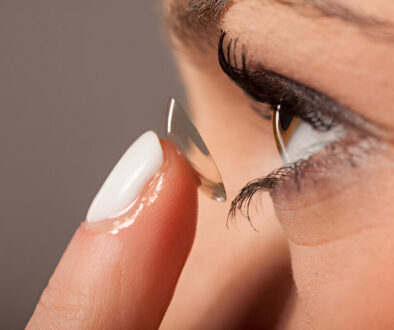
Choosing the best daily contact lenses requires balancing your eye’s unique hydration needs with the precise corneal measurements of your prescription. While daily disposables offer superior hygiene, the right choice for you depends on specific factors like tear film stability, oxygen permeability, and your daily digital screen use.
Individual Eye Physiology and Visual Needs
Every eye is unique, and what works exceptionally well for one person may not be ideal for another. Your tear film, corneal shape, and overall eye health all play an important role in determining which daily contact lens will perform best for you.
Dry Eye Syndrome
If you experience chronic dryness, irritation, or fluctuating vision throughout the day, moisture retention should be a top priority. Look for daily lenses designed with advanced hydration technologies that mimic natural tears or help stabilize the tear film. These lenses are often more effective than those that simply rely on high initial water content, which can evaporate quickly.
Astigmatism and Presbyopia
Patients with astigmatism or presbyopia require toric or multifocal daily disposable lenses. In these cases, optical design is just as important as comfort. Lens stability and proper centering ensure consistent, sharp vision while reducing eye fatigue. Your eye care professional can help you balance clarity, comfort, and UV protection based on your prescription.
Schedule Your Professional Contact Lens Fitting in Tamarac
Digital Eye Strain and Screen Use
Long hours on computers, phones, and tablets can worsen dryness and eye fatigue. Certain daily contact lenses feature surface treatments that reduce evaporation and help maintain a smooth, stable tear layer—making them a smart choice for screen-heavy workdays. While contact lenses do not function as blue-light filters like specialized glasses, the right lens material can still improve comfort during prolonged screen use.
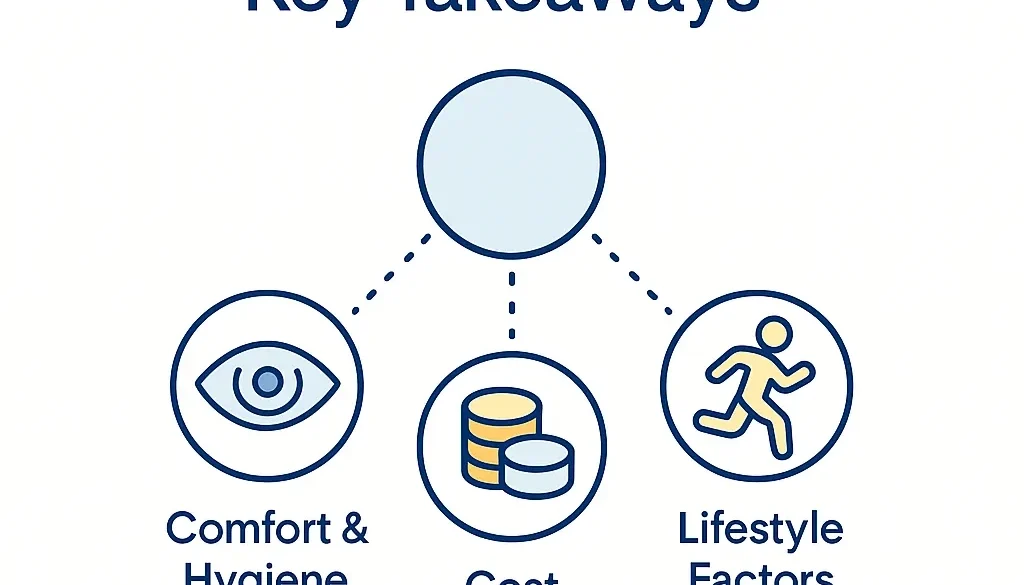
Lifestyle and Environmental Factors
Your environment and daily activities have a major impact on contact lens comfort:
- Dry indoor environments (air-conditioned offices or heated spaces) can increase evaporation and require lenses with enhanced hydration.
- Outdoor activities, sports, or frequent driving may increase your need for UV protection and lenses that stay securely in place while resisting debris and dryness.
Understanding how your lifestyle affects your eyes helps ensure your daily lenses support you from morning to night.
The Importance of Professional Consultation
The information provided here is for educational purposes and should not substitute for professional medical advice. A comprehensive eye exam and contact lens fitting are essential for safe, comfortable wear.
Prescription and Fitting Accuracy
An up-to-date prescription is the foundation of successful contact lens use. Your eye care provider evaluates lens power, base curve, diameter, corneal health, and tear quality. Even the most advanced daily contact lens can cause discomfort if it doesn’t fit properly—much like a high-quality shoe that still hurts when it’s the wrong size.
Regular Eye Health Monitoring
Routine eye exams allow your provider to monitor corneal health, detect early signs of dryness or oxygen deprivation, and adjust your lenses as your eyes or lifestyle change. This ongoing care ensures your daily lenses continue to support both comfort and long-term eye health.
Sustainability and Safe Lens Disposal
Daily disposables offer excellent hygiene and convenience, but they also create more waste than reusable lenses. To reduce environmental impact:
- Never flush contact lenses down sinks or toilets, as they contribute to microplastic pollution.
- Dispose of lenses in the trash and recycle foil lids and plastic blister packs where accepted.
- Ask your eye care provider about specialty recycling programs for contact lens materials.
Empowering Your Daily Vision Choice
Selecting the best daily contact lenses is a proactive step toward clearer vision and healthier eyes. Advances in silicone hydrogel materials, tear-mimicking hydration systems, and UV-blocking technology make it easier than ever to enjoy reliable comfort and visual clarity throughout the day. By considering your eye physiology, lifestyle, and visual needs—and by working closely with an eye care professional—you can confidently choose lenses that support both your vision and long-term eye health.
Our team is here to help you find the most comfortable, effective contact lenses for your eyes and lifestyle.
Please note: None of the above should be considered medical advice. If you’re having any concerns about your vision, please reach out to us immediately or see your primary care provider.
Frequently Asked Questions
-
The best lenses depend on your tear film quality, corneal shape, and vision needs. A professional fitting is essential to match these factors with the right lens material.