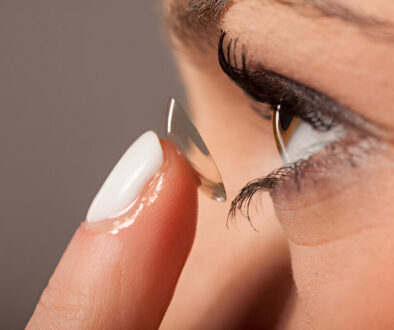
Contact Lenses & UV Protection: A Shield for Your Eyes
UV-protective contact lenses provide a continuous, medical-grade shield against the intense South Florida sun, filtering out up to 90% of harmful UVA and UVB rays that sunglasses alone might miss. For our patients in Tamarac and West Broward, these specialized lenses are a critical tool for preventing long-term vision loss caused by cumulative sun exposure.
Schedule a UV-Protection Consultation in Tamarac
What Is UV Radiation and Why Does It Affect Your Eyes?
Ultraviolet (UV) radiation comes from the sun and includes UVA and UVB rays, both of which can damage the eyes over time.
Long-term UV exposure has been linked to:
- Cataracts
- Macular degeneration
- Photokeratitis (sunburn of the cornea)
- Damage to the conjunctiva and surrounding tissues
Because this damage builds gradually, many patients don’t notice symptoms until vision changes occur years later—making prevention especially important.
UVA vs. UVB: What’s the Difference?
UVA rays
- Penetrate deep into the eye
- Contribute to long-term eye aging
- Linked to macular degeneration
UVB rays
- More intense and energetic
- Can cause immediate injury
- Responsible for photokeratitis (“snow blindness”)
UV-blocking contact lenses help filter both UVA and UVB rays, providing continuous protection whenever your lenses are in.
Do All Contact Lenses Offer UV Protection?
No. Not all contact lenses block UV rays.
UV-protective lenses contain specialized UV-absorbing materials built into the lens itself. These lenses are commonly classified as:
- Class 1 UV lenses: Higher level of UVA and UVB blocking
- Class 2 UV lenses: Moderate UV protection
Even with UV-blocking lenses, sunglasses remain essential. Contact lenses only protect the cornea—not the eyelids or surrounding skin.
Why UV-Blocking Contact Lenses Matter in South Florida
For patients in West Broward and Tamarac, daily UV exposure is a reality—even during short errands or cloudy days. UV-protective contact lenses can help:
- Reduce cumulative sun damage
- Support long-term eye health
- Provide always-on protection for active lifestyles
- Complement sunglasses and wide-brimmed hats
When prescribed and fitted properly, they’re a smart addition to your overall eye care plan.
Protect Your Vision—Today and for the Future
UV exposure is unavoidable in South Florida, but eye damage doesn’t have to be. Choosing contact lenses with UV protection—paired with UV-blocking sunglasses and routine eye exams—can help preserve your vision for years to come.
FAQ
Do contact lenses protect your eyes from UV rays?
Yes, some contact lenses provide UV protection, but not all. UV-blocking contact lenses help filter UVA and UVB rays, though they should always be worn with sunglasses for full protection.
Are UV-blocking contact lenses enough on their own?
No. UV-blocking contact lenses do not protect the entire eye area. Sunglasses are still necessary to shield the eyelids and surrounding skin.
Who should consider UV-protective contact lenses?
UV-protective contact lenses are especially beneficial for people who: Spend time outdoors Live in sunny climates like South Florida Wear daily disposable lenses Have a family history of UV-related eye conditions
Can children and teens wear UV-blocking contact lenses?
Yes, when prescribed by an eye care professional. UV protection can be particularly important for younger patients, as UV damage accumulates over time.
Book an Appointment today to explore UV-protective contact lens options tailored to your lifestyle.
Please note: None of the above should be considered medical advice. If you’re having any concerns about your vision, please reach out to us immediately or see your primary care provider.
Frequently Asked Questions
-
No, not all lenses include UV filters. While many modern brands like Acuvue integrate it, you must specifically check for “Class 1” or “Class 2” UV-blocking labels.