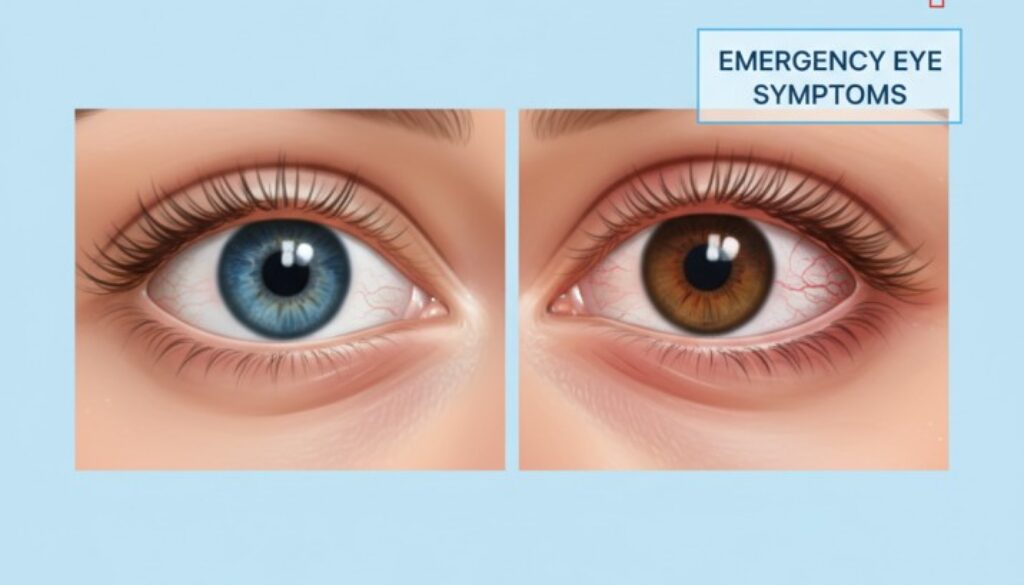
Red Eyes Emergency: 5 Causes Requiring Immediate Care
Red eyes are common, but they are not always harmless. In some cases, eye redness can be an early sign of a serious condition that requires urgent medical attention. Knowing when red eyes are normal—and when they signal an emergency—can help protect your vision.
Mild redness is often caused by allergies, dryness, or temporary irritation. However, red eyes combined with symptoms such as pain, vision changes, or systemic illness may indicate a sight-threatening problem if treatment is delayed.
Red eyes develop when blood vessels on the surface of the eye become enlarged or inflamed, giving the eye a bloodshot appearance. The information below explains how to recognize warning signs of an eye emergency and how to distinguish them from less serious causes.

1. Acute Angle-Closure Glaucoma: The Silent Vision Thief
Emergency Timeline: Seek immediate care – vision loss can begin within 2-6 hours
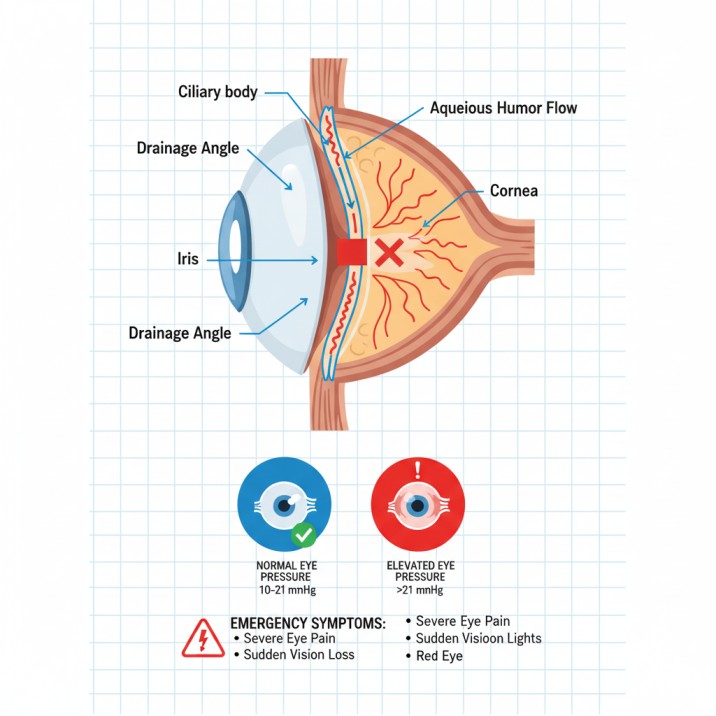
Acute angle-closure glaucoma represents one of the most serious causes of red, painful eyes, affecting approximately 0.6% of the global population and demanding emergency treatment to prevent permanent blindness. This sight-threatening condition occurs when the eye’s drainage angle suddenly becomes blocked, causing intraocular pressure to spike to dangerous levels within hours.
🚨 Critical Emergency Signs
Seek immediate emergency care if you experience:
- Severe eye pain that radiates around the eye socket
- An intense headache is often mistaken for migraine
- Rainbow-colored halos around lights (pathognomonic sign)
- Sudden vision blurriness or vision loss
- Nausea and vomiting (present in 80% of cases)
- Rock-hard eye when gently pressed through the eyelid
Why Every Hour Matters
The elevated intraocular pressure from acute glaucoma can permanently damage the optic nerve within 2-6 hours of onset. Clinical studies demonstrate that patients receiving treatment within the first 24 hours maintain significantly better visual outcomes compared to those with delayed treatment. Time literally equals sight in acute angle-closure glaucoma emergencies.
Risk Factors to Consider
Certain factors increase your risk of developing acute angle-closure glaucoma. People over age 50, particularly women, face a higher risk. Those with hyperopia (farsightedness) or Asian ancestry also show increased susceptibility. Although acute angle-closure glaucoma constitutes a minor fraction of all glaucoma cases globally (0.6%), it represents a substantial proportion of cases in Eastern and Southeast Asian populations, affecting about 12 million individuals. Family history of angle-closure glaucoma significantly elevates risk, as does taking certain medications like antihistamines, antidepressants, or medications that dilate the pupils.
2. Corneal Ulcers: Open Wounds on the Eye’s Surface
Emergency Timeline: Seek care within 12-24 hours to prevent permanent scarring
A corneal ulcer creates an open sore on the transparent front surface of your eye, representing a vision-threatening emergency affecting 30,000-75,000 Americans annually. These sight-threatening infections can rapidly penetrate deeper eye structures, potentially causing permanent vision loss or eye perforation if treatment is delayed.
🔍 Identifying Corneal Ulcer Symptoms
Warning signs requiring urgent eye care:
- Severe eye pain that feels like something sharp embedded in the eye
- Extreme light sensitivity (photophobia) makes normal lighting unbearable
- A white or gray spot visible on the clear cornea
- Thick discharge or pus from the affected eye
- Blurred or cloudy vision in the affected eye
- Excessive tearing that doesn’t provide relief
- A feeling of foreign body that won’t wash out
The Vision-Threatening Timeline
Corneal ulcers can penetrate through the entire corneal thickness within 24-48 hours in severe cases, leading to eye perforation and permanent vision loss. Keratitis (corneal inflammation) accounts for approximately one million emergency department visits annually in the United States, with contact lens-related infections representing the highest-risk category.
High-Risk Situations
Contact lens wearers face the highest risk of developing corneal ulcers, especially when proper hygiene isn’t maintained or lenses are overworn. Research shows that among contact lens users, the incidence varies by lens type: daily wear soft lenses have an incidence of 4.1 per 10,000 person-years, while extended wear soft contact lens users face a significantly higher risk at 20.9 per 10,000 person-years. Dry eye syndrome, previous eye injuries, and compromised immune systems also increase susceptibility. Any eye injury, no matter how minor it may seem, can create an entry point for bacteria that lead to ulcer formation.
3. Endophthalmitis: Infection Inside the Eye
Endophthalmitis involves serious infection of the fluid-filled spaces inside your eye, creating inflammation that can rapidly destroy vision if not treated immediately. This condition represents one of the most severe ocular emergencies, with outcomes directly related to how quickly treatment begins.
Recognizing the Warning Signs
Endophthalmitis typically causes severe eye pain accompanied by significant redness and swelling of the eyelid. Vision decreases markedly, often progressing from blurred sight to severe visual impairment within days or even hours. The eye may develop thick discharge, and patients often describe feeling extremely uncomfortable with light exposure.
A characteristic finding is the loss of the red reflex – when looking into the affected eye, the normal reddish glow from the back of the eye disappears due to inflammation clouding the interior structures.
Post-Surgical Risk
Most cases of endophthalmitis occur following eye surgery, particularly cataract removal or injections into the eye for conditions like macular degeneration. Current data show endophthalmitis rates following cataract surgery range from 0.02% to 0.2% (approximately 1 in 500 to 1 in 5,000 procedures), while rates after intravitreal injections are approximately 1 in 1,750 procedures.
Recent studies show that patients with endophthalmitis who receive treatment within 12 hours have significantly better visual outcomes compared to those whose treatment is delayed. The infection can spread to surrounding tissues and, in severe cases, may require removal of the eye to prevent systemic infection.
Signs That Demand Emergency Care
If you’ve recently had eye surgery and experience worsening pain, vision loss, increased redness, or discharge that doesn’t improve or gets worse, contact your eye care provider immediately or go to the emergency room. Even seemingly mild symptoms after eye procedures warrant urgent evaluation.
4. Severe Uveitis: Inflammation That Threatens Sight
Uveitis involves inflammation of the uvea, the middle layer of the eye that includes the iris, ciliary body, and choroid. When severe, this condition can cause significant complications, including permanent vision loss, making prompt treatment essential.
Identifying Acute Uveitis Symptoms
The most common form affecting the front of the eye causes intense redness, often in a ring pattern around the iris. Patients experience moderate to severe eye pain that may worsen with movement or light exposure. Photophobia becomes so severe that patients often wear sunglasses indoors and have difficulty functioning in normal lighting.
Vision may blur, and some patients notice small floating spots or specks in their visual field. The pupil on the affected side might appear smaller or irregular compared to the unaffected eye.
Understanding the Complications
Untreated severe uveitis can lead to numerous sight-threatening complications. These include glaucoma from increased eye pressure, cataracts from inflammation, and permanent adhesions between eye structures that can compromise function. Some patients develop swelling in the central retina that significantly impacts fine vision tasks like reading.
Research demonstrates that early, aggressive treatment of severe uveitis significantly reduces the risk of vision-threatening complications. Patients who receive prompt care typically maintain better visual function long-term compared to those whose treatment is delayed.
When Uveitis Becomes an Emergency
Seek immediate care if you experience a sudden onset of severe eye pain, dramatic light sensitivity, rapid vision loss, or symptoms that worsen quickly despite initial treatment. Uveitis associated with other symptoms like joint pain, skin rashes, or fever may indicate underlying systemic conditions requiring urgent evaluation.
5. Orbital Cellulitis: Serious Infection Around the Eye
Orbital cellulitis involves bacterial infection of the tissues surrounding the eye, creating a potentially life-threatening condition that can spread to the brain if not treated promptly. This emergency requires immediate hospitalization and intravenous antibiotic treatment.
Recognizing Dangerous Signs
Orbital cellulitis causes significant swelling and redness of the eyelids that often prevents normal eye opening. The eye itself becomes red and may protrude forward due to swelling behind it. Patients typically experience severe pain around the eye and may have difficulty moving the eye in different directions.
Fever commonly accompanies orbital cellulitis, and patients often feel systemically ill. Double vision may develop if the infection affects the muscles that control eye movement.
Understanding the Emergency
The infection in orbital cellulitis can spread through blood vessels and nerves to reach the brain, potentially causing meningitis or a brain abscess. Young children face a particularly high risk of serious complications, including permanent vision loss and life-threatening spread of infection.
Studies show that immediate treatment with intravenous antibiotics significantly reduces the risk of serious complications. Delayed treatment increases the likelihood of permanent visual impairment and potentially fatal complications.
Risk Factors and Prevention
Orbital cellulitis often develops from sinus infections, particularly in children. Recent upper respiratory infections, dental infections, or facial injuries can increase risk. People with diabetes or compromised immune systems show higher susceptibility to developing serious eye infections.
When to Seek Emergency Care Immediately
Understanding when red eye symptoms require immediate medical attention can preserve your vision and prevent serious complications. Contact emergency services or go to the nearest emergency room if you experience:
- Sudden severe eye pain with red eyes
- Rapid vision loss or significant blurredness
- Rainbow-colored halos around lights
- Nausea and vomiting with eye symptoms
- Eye injury with penetrating trauma
- Fever with severe eye redness and swelling
- Double vision with red, painful eyes
- Inability to open the eye due to swelling
- Discharge that looks like pus
Emergency Care vs. Urgent Eye Care
While true emergencies require immediate hospital attention, some red eye conditions need prompt evaluation by an eye specialist within 12-24 hours. These include moderate corneal abrasions, less severe uveitis episodes, and suspected infections that aren’t immediately sight-threatening.
At West Broward Eyecare Associates, we provide urgent eye care services for Tamarac residents and the surrounding communities. Our experienced team can quickly distinguish between conditions requiring immediate hospital treatment and those that can be managed in our office setting.
Prevention Strategies for Eye Emergencies
Many serious causes of red, painful eyes can be prevented with proper precautions:
Protect Your Eyes
- Wear safety goggles when working with tools, chemicals, or in dusty environments.
- Use protective eyewear during sports activities
- Avoid rubbing your eyes, especially with dirty hands
Practice Good Hygiene
- Wash your hands frequently before touching your eyes
- Follow proper contact lens care procedures
- Replace contact lenses as recommended by your eye care provider
Manage Risk Factors
- Keep diabetes well-controlled to reduce infection risk
- Treat sinus infections promptly to prevent spread
- Follow all post-operative care instructions after eye surgery
Regular Eye Examinations
- Schedule annual comprehensive eye exams
- Monitor changes in vision or eye comfort
- Discuss the family history of glaucoma or other eye conditions with your eye doctor.
What to Expect During Emergency Treatment
When you arrive for emergency eye care, medical professionals will quickly assess your symptoms and vital signs. Initial evaluation typically includes checking your vision, measuring eye pressure, and examining the eye’s external and internal structures.
Treatment approaches vary depending on the specific condition, but may include:
- Immediate pressure-lowering medications for glaucoma
- Antibiotic injections for serious infections
- Anti-inflammatory medications for uveitis
- Surgical intervention for severe trauma or ulcers
Time remains critical in emergency eye care. The sooner treatment begins, the better your chances of preserving vision and preventing complications.
Medical Resources & Evidence-Based Citations
This article has been medically reviewed by board-certified ophthalmologists at West Broward Eyecare Associates and is based on current peer-reviewed medical literature and clinical practice guidelines.
Primary Scientific Studies Referenced:
1. Corneal Ulcer Clinical Research (StatPearls Medical Database, 2024)
- Source: National Center for Biotechnology Information (NCBI)
- Direct Link: https://www.ncbi.nlm.nih.gov/books/NBK539689/
- Key Clinical Finding: Annual U.S. incidence of 30,000-75,000 corneal ulcer cases, with keratitis causing approximately one million emergency department visits annually. Contact lens-related infection rates vary by lens type: daily wear (4.1 per 10,000 person-years) vs. extended wear (20.9 per 10,000 person-years).
2. Acute Angle-Closure Glaucoma Epidemiology & Management (StatPearls, 2023)
- Source: National Center for Biotechnology Information (NCBI)
- Direct Link: https://www.ncbi.nlm.nih.gov/books/NBK430857/
- Key Clinical Finding: Global prevalence of 0.6% with significant demographic variations, particularly affecting Asian populations (12 million affected globally). Vision loss can begin within 2-6 hours of symptom onset, making immediate emergency treatment critical for sight preservation.
3. Endophthalmitis Treatment Outcomes & Prognosis (American Academy of Ophthalmology, 2025)
- Direct Link: https://eyewiki.org/Endophthalmitis
- Key Clinical Finding: Current post-cataract surgery endophthalmitis incidence ranges from 0.02% to 0.2% (approximately 1 in 500 to 1 in 5,000 procedures), with intravitreal injection-associated rates approximately 1 in 1,750 procedures. Treatment initiation within 12 hours significantly improves long-term visual outcomes.
Trust Your Symptoms – Act Fast for Your Vision
Your eyes provide irreplaceable sensory input that enriches every aspect of life. When red eye symptoms feel different from typical irritation – if they’re more severe, painful, or accompanied by vision changes – trust your instincts and seek immediate care.
Don’t wait to see if symptoms improve when warning signs suggest a serious condition. Emergency eye care exists because prompt treatment makes a genuine difference in visual outcomes.
West Broward Eyecare Associates: Your Tamarac Vision Specialists
At West Broward Eyecare Associates in Tamarac, our board-certified ophthalmologists understand that eye emergencies cause anxiety and concern for patients and families. Our experienced team provides compassionate, expert emergency eye care when you need it most, combining advanced diagnostic capabilities with the personalized attention that has made us a trusted part of the West Broward community.
Remember: when it comes to your vision, it’s always better to be cautious and seek professional evaluation rather than risk permanent damage from delayed treatment. Your sight is irreplaceable – protect it by recognizing emergency warning signs and acting quickly when they appear.
FAQs
-
Red eyes requiring emergency care include acute angle-closure glaucoma, eye injuries or trauma, chemical burns, corneal ulcers or infections, and sudden vision loss with redness.