
Nearsightedness Treatment
Your Complete Guide to Clearer Vision
Monday-Thursday 9:00 AM–5:00PM
Friday 9:00 AM–4:00PM
Closed Saturday-Sunday

Nearsightedness, or myopia, is one of the most common vision conditions worldwide. By 2050, nearly half the global population may be affected. Whether you are exploring options for yourself or your child, effective nearsightedness treatment exists for every age. At West Broward Eye Care in Tamarac, FL, our team has spent 35 years helping South Florida families see clearly.

Key Takeaways
What Causes Nearsightedness?
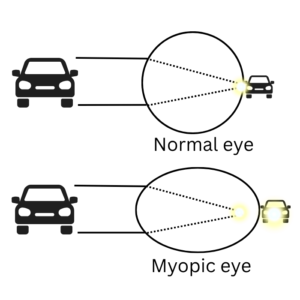
Myopia occurs when the eyeball grows slightly too long from front to back, causing light to focus in front of the retina rather than directly on it. The result is blurred distance vision while close objects remain clear.
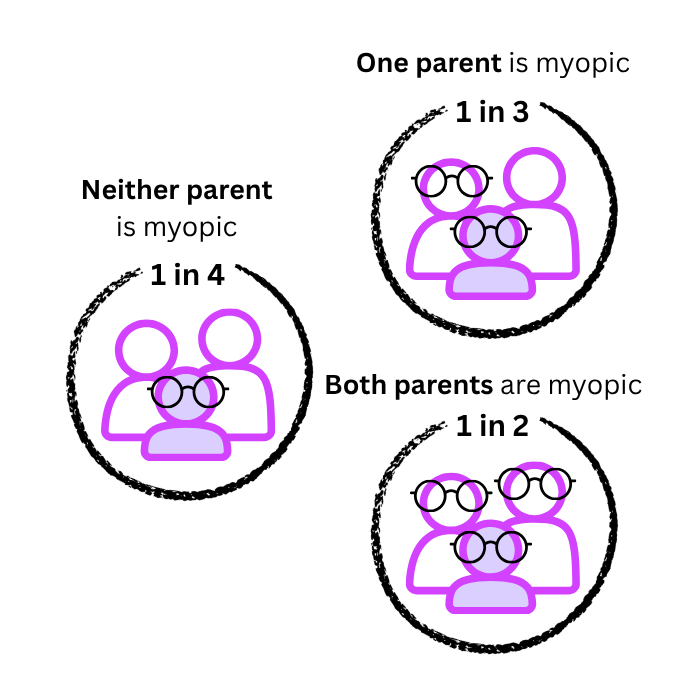
Genetics play a significant role. Children with one or both nearsighted parents face a higher risk. However, environmental factors matter too. Research from the National Eye Institute highlights that limited outdoor time and prolonged near-work activities contribute to myopia development. Most nearsightedness first appears between ages 6 and 14, a period of rapid eye growth. For families in Coral Springs, Parkland, and across South Florida, understanding these risk factors is the first step toward proactive care.
Corrective Lens Options for Nearsightedness
For most people, the journey begins with eyeglasses or contact lenses. These correct how light enters the eye, shifting the focal point onto the retina for clear distance vision.
Modern eyeglasses offer lightweight frames, anti-reflective coatings, and blue-light filtering options suited to today’s screen-heavy lifestyles. Contact lenses provide a wider field of view and greater freedom for active lifestyles. Options range from daily disposables to extended-wear lenses, and specialty designs exist for patients with complex prescriptions.
At West Broward Eye Care, our comprehensive contact lens fittings ensure each patient receives lenses that match their prescription, eye shape, and daily habits. Proper fitting is especially important for children and teens who are new to contacts.
Myopia Management for Children
When a child’s nearsightedness is progressing, corrective lenses alone may not be enough. Myopia management focuses on slowing the rate at which the eye elongates, potentially reducing the severity of myopia in adulthood.
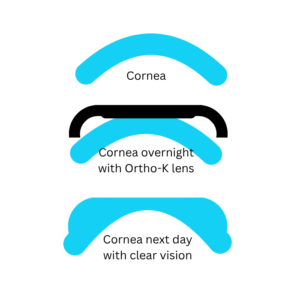
Several evidence-based approaches are available. Orthokeratology (ortho-k) uses specially designed rigid contact lenses worn overnight to gently reshape the cornea. Children wake up with clear vision during the day, and studies suggest ortho-k may help slow myopia progression. Low-dose atropine eye drops, typically prescribed at concentrations between 0.01% and 0.05%, have shown encouraging results in clinical research. Dual-focus contact lenses use multiple zones of correction to reduce the signals that drive eye elongation.
The Mayo Clinic notes that combining outdoor time with these clinical interventions may offer the greatest benefit. West Broward Eye Care specializes in myopia management, creating customized plans for children and teens throughout the Tamarac and Coral Springs area.

Can Nearsightedness Be Cured Naturally?
This is one of the most frequently searched questions about myopia, and the honest answer is no. There is no scientifically proven natural cure for nearsightedness. Eye exercises, special diets, and vision training programs have not been shown to reverse myopia or reshape the cornea.
That said, there is an important distinction between curing nearsightedness and managing it. While you cannot undo structural changes to the eye, increased outdoor time in children has shown promise in helping slow the onset and progression of myopia. Researchers believe natural light exposure plays a protective role during eye development. So while “natural” approaches will not eliminate an existing prescription measured in diopters, encouraging children to spend more time outside is a meaningful, evidence-based step families can take alongside professional treatment.
Surgical Treatments for Nearsightedness
For adults whose prescription has remained stable for at least one to two years, surgical nearsightedness treatment may reduce or eliminate the need for corrective lenses.
LASIK is the most widely known option. It uses a laser to reshape the cornea, correcting how light focuses on the retina. PRK is a similar procedure that works well for patients with thinner corneas. SMILE is a newer, minimally invasive technique that corrects vision through a small incision, often with a faster recovery.
For patients with very high prescriptions, refractive lens exchange replaces the eye’s natural lens with an artificial one. Each procedure has specific candidacy requirements based on age, prescription stability, corneal thickness, and overall eye health. West Broward Eye Care offers LASIK consultations to help patients determine whether surgery is the right path.
When to See an Eye Doctor About Nearsightedness
Early detection makes a significant difference, particularly for children. Watch for these warning signs: frequent squinting, sitting unusually close to screens or books, complaints of headaches after reading, and difficulty seeing the whiteboard at school.
The American Academy of Ophthalmology (AAO) recommends comprehensive eye exams for children starting at age 6, with follow-ups as recommended by their eye care provider. Adults should maintain regular exams as well, since prescriptions can shift and conditions like high myopia increase the risk of serious complications later in life.
If you or your child are experiencing changes in vision, do not wait. Families across Parkland, Coral Springs, and greater South Florida trust West Broward Eye Care for thorough, personalized evaluations.
Understanding Your Options
First, Who Is At Risk for Nearsightedness?
Children with one or both nearsighted parents face a higher risk. Limited outdoor time and prolonged near-work activities also contribute to myopia development, particularly between ages 6 and 14.
- Orthokeratology (ortho-k): specially designed rigid lenses worn overnight to reshape the cornea
- Low-dose atropine drops: prescribed at concentrations between 0.01% and 0.05%
- Dual-focus contact lenses: multiple zones of correction to reduce signals driving eye elongation
Is Surgery right for you?
For adults with stable prescriptions, surgical options like LASIK, PRK, SMILE, and refractive lens exchange may reduce or eliminate the need for corrective lenses. West Broward Eye Care offers consultations to determine candidacy based on age, prescription, and corneal health.
Whether you need a routine eye exam, myopia management for your child, or a surgical consultation, we are here to help.

Frequently Asked Questions
-
Myopia typically stabilizes in the late teens to early twenties, once the eye stops growing. However, some patients experience continued changes into their mid-twenties or even later. Adults who notice shifting vision should schedule an exam to rule out other conditions. Regular monitoring is especially important for those diagnosed young, as earlier onset often correlates with higher final prescriptions.